
When to See a Doctor
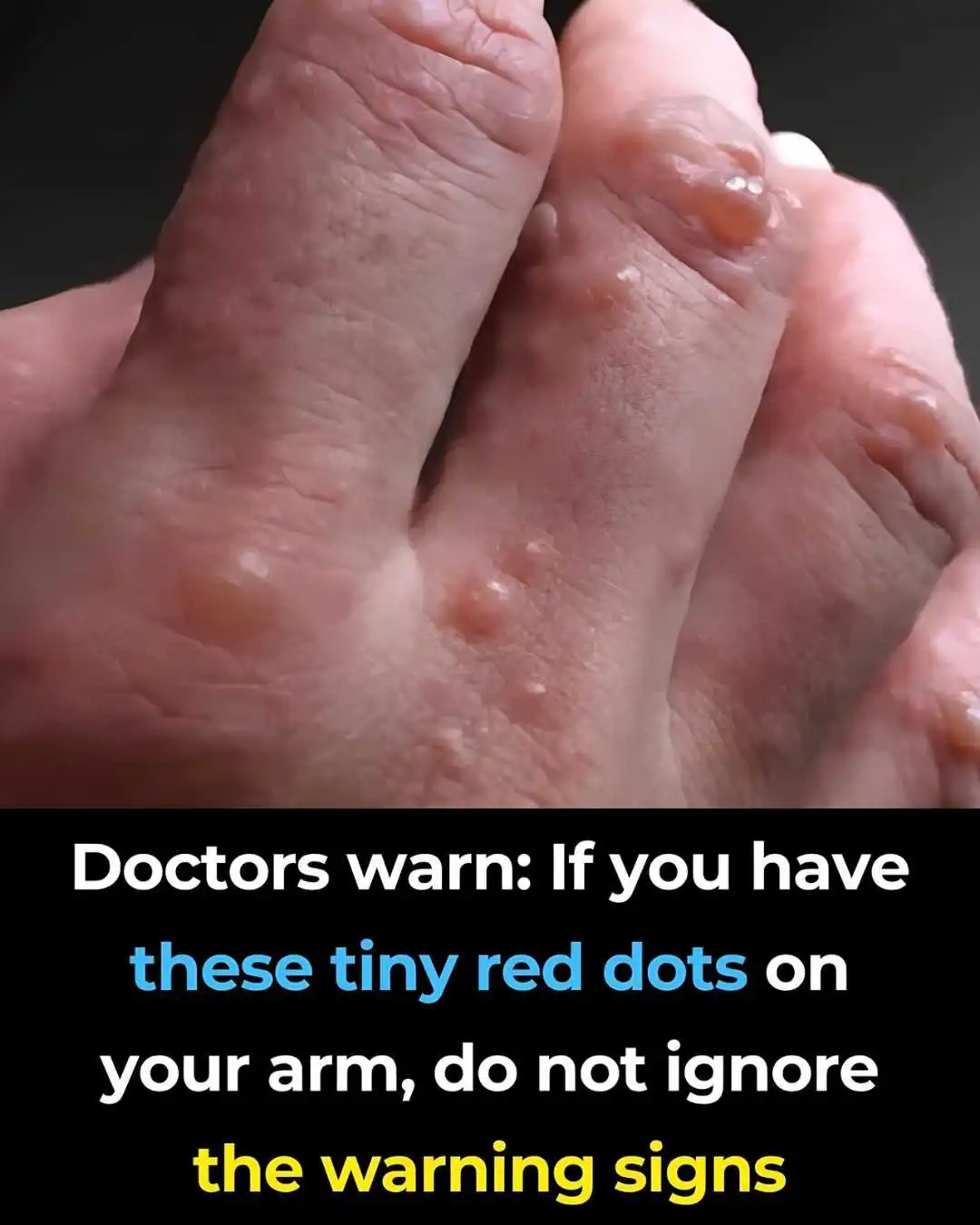
While most red spots are harmless, see a healthcare provider if you have:
| Spots that multiply quickly | Possible blood or immune issue |
| No known cause and no improvement | May need evaluation |
| Bleeding, oozing, or changing shape | Could be a skin lesion needing biopsy |
| Accompanied by fever, fatigue, or unexplained bruising | May indicate infection or low platelets |
| Appear after starting a new medication | Could be a side effect |
What You Can Do at Home
For harmless red spots:
- Avoid scratching or picking
- Use gentle skincare products
- Keep skin moisturized
- Protect from sun exposure (UV can worsen some spots)
- Monitor changes — take a photo monthly to track
Debunking the Myths
| Red spots always mean cancer | No — cherry angiomas are benign |
| Petechiae = leukemia | Rare — most cases have benign causes |
| They’re contagious | No — unless caused by an infectious rash |
| You must remove them | Only if they bleed, change, or bother you cosmetically |
Final Thoughts
- Small red spots on your arm are usually nothing to worry about — especially if they’re stable, painless, and not spreading.
- But your skin can be a window to your health.
- So if you notice new, sudden, or unusual changes — especially with other symptoms — don’t ignore them.
- Because true health isn’t about fear.
- It’s about paying attention, asking questions, and knowing when to seek help.
- And sometimes, that starts with a tiny red dot.